Founder guide - Remote measurements
Remote wedding dress measurements.
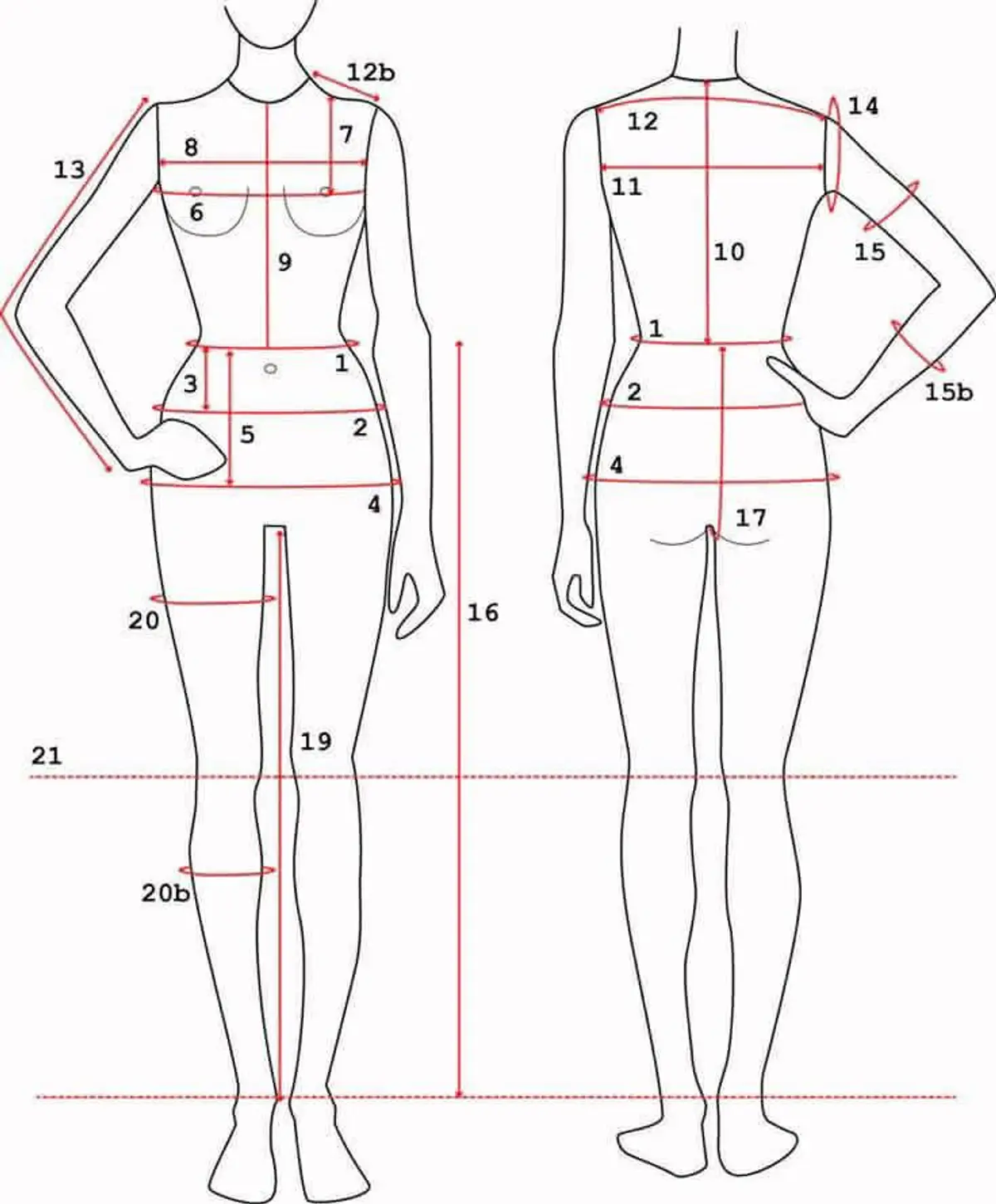
A tape number is only useful when I can read it against the dress, not just a chart: bodice structure, support plan, closure, movement, heel height, and the way the bride stands.
Vi's note
Many brides think remote ordering is difficult only because they cannot come for fittings. In my experience, the bigger issue is a number that looks normal on its own but does not match the dress structure.
At VI Dressmakers, I compare the measurements as a set: bust and underbust, waist and high hip, full hip, torso length, hollow-to-floor, shoulder, sleeve, and heel plan. A corset bodice, strapless dress, fitted mermaid, sleeve, or high slit each needs different attention before fabric is cut.
Remote measurement support helps, but it cannot remove every fit risk. I prefer to explain that clearly, ask for rechecks when needed, and leave room for small local alterations after delivery.
Remote measurement support needs clear body points, rechecks, and honest fit limits before cutting.
Before cutting
I read the numbers with the design in front of me.
A fitted mermaid dress needs full hip, high hip, thigh, and walking ease to be checked carefully. A corset dress needs bust, underbust, waist, torso, and back closure logic. A sleeve needs shoulder, armscye, upper arm, elbow, wrist, and movement details.
This is why I ask for the dress direction before final measurements. The same body can need different measurement attention depending on whether the dress is strapless, fitted, A-line, full lace, or built with sleeves.
If a number does not match the rest of the body or the dress plan, I ask for a recheck instead of pretending the chart is enough. Sometimes that means a second measurement, a photo of the tape position, or a short video.
-
Bust and cup area
Measure with the bra or support plan closest to the wedding day; cup height and underbust matter for strapless and corset gowns.
-
Waist and hip
Natural waist, high hip, full hip, waist-to-hip distance, and walking ease matter for fitted dresses.
-
Height and heel
Hollow-to-floor should match the shoe plan, especially for long dresses and trains.
-
Shoulder and sleeve
Sleeve comfort depends on shoulder, armscye, upper arm, elbow, wrist, and movement, not only length.
Measurement pitfalls
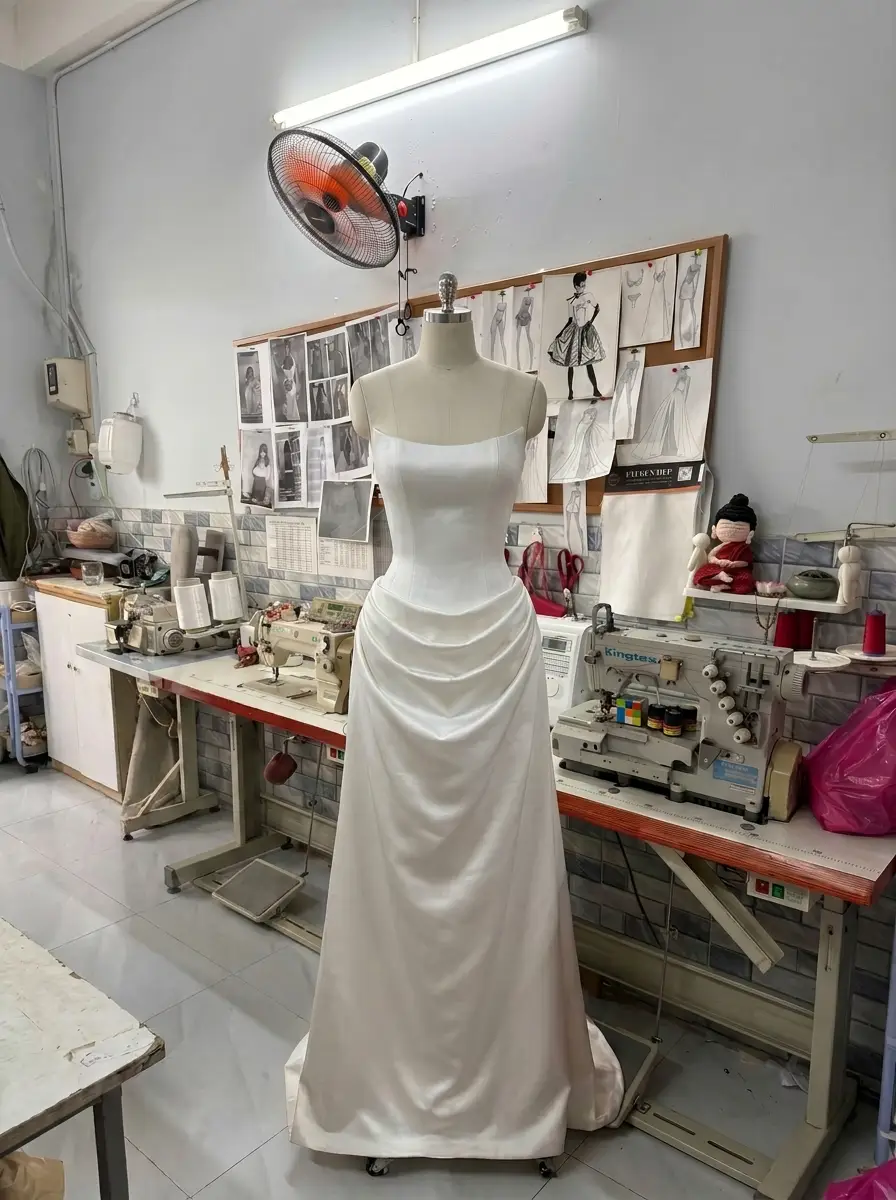
Small habits can make the dress feel wrong later.
The tape should not be pulled tight to make the number smaller. Hollow-to-floor should not be measured barefoot if the bride plans to wear heels. Bust should not be measured with a daily bra if the wedding support will be different.
Posture matters too. Locked knees, lifted shoulders, or holding breath can change the result. For a strapless or corset dress, one wrong bust, underbust, or waist point can change where the support sits.
If numbers are unusual, I would rather pause for a recheck than cut quickly from a clean-looking chart. The goal is not to make the numbers look small. The goal is to make the dress wearable.
-
Tape too tight
A smaller number can create discomfort and local alteration work later.
-
Wrong undergarment
Bust and cup shape should be measured with the planned support in mind.
-
No shoe plan
Heel height changes hem length and dress proportion.
-
No movement check
Arms, sitting, walking, and breathing ease matter, especially for sleeves, corsets, and mermaid skirts.
Honest limits
Remote measurement support is useful, but it is not magic.
I can review measurements, compare proportions, ask for tape-position proof, design with the fit plan in mind, and send final QC. I cannot physically pin the dress on the bride before shipping when she is ordering from abroad.
This is why local alteration buffer matters. Even with careful measurement review, a bride may still need small adjustments after delivery. That is normal for bridalwear, especially for hem, bust, waist, straps, sleeves, or bustle.
A remote order is stronger when the limits are clear and the bride knows what can be checked before dispatch.

Next reading
Related VI Dressmakers guides and cases.
Measurements
The full VI Dressmakers measurement support page with system, measurement points, and fit limits.
Timeline and milestones
How measurement review fits into quote, production, QC, final balance, and dispatch timing.
Send inspiration
Start with your wedding date, delivery country, references, fit concerns, and timeline.
Start with proof
Send the dress direction before final measurements.
Vi can review your references, support plan, fit concerns, wedding date, and delivery country first. Measurements come after the order direction is clear, not before the dress is understood.